Renewable energy leader Denmark mulls reversal of its decades-old nuclear power ban
Denmark is reconsidering its 40-year ban on nuclear power, with parliament voting overwhelmingly (102-8) to overturn the 1985 phase-out law, signaling a shift toward a more resilient energy mix.
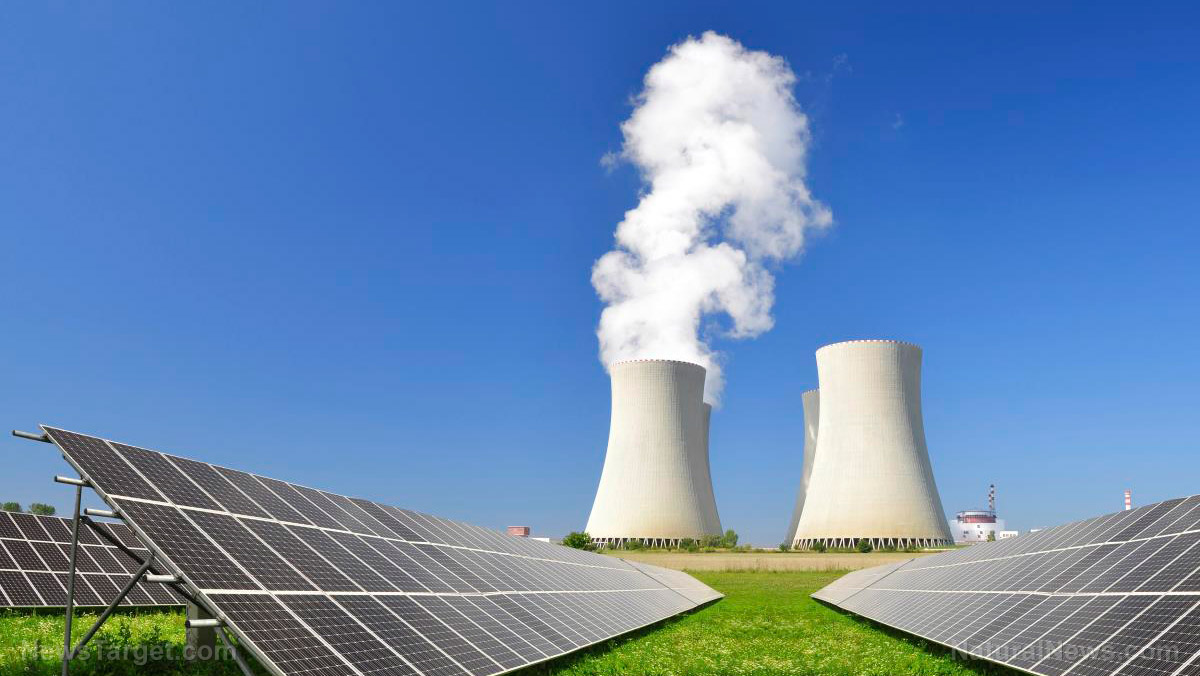
Despite being a global leader in wind energy (generating over 50 percent of its electricity) and solar power, Denmark acknowledges that intermittent renewables alone cannot ensure grid reliability.
The government is evaluating small modular reactors (SMRs) as a complementary solution to renewables, with Energy Minister Lars Aagaard emphasizing the need to assess their societal and technical feasibility.
Denmark’s move reflects broader European energy security concerns, with countries like Germany, Italy, and Spain also reassessing nuclear power after blackouts and gas shortages exposed vulnerabilities in renewable-dependent grids.
High electricity prices (€0.3763/kWh) and the need for stable baseload power are driving Denmark’s pragmatic pivot, balancing decarbonization goals with grid reliability – a lesson for nations over-reliant on wind and solar.
The Folketing, Denmark’s parliament, paved the way for this overturn of the policy first enacted in 1985 – a year before the Chernobyl disaster in Ukraine. The legislature voted 102-8 to end a nuclear phase-out law that took effect in 2003. This move signals a strategic pivot toward a more resilient energy mix, and underscores the challenges of relying solely on wind and solar for a stable electricity grid.
For decades, Denmark has been the poster child for wind energy. Wind turbines generated over 50 percent of its electricity, and an additional 10 percent came from solar panels.
Its aggressive push toward renewables earned international praise, with prominent figures citing the country as a model for energy independence. Yet despite these achievements, Copenhagen now acknowledges that wind and solar alone cannot guarantee grid reliability.
“We can see that there is a development under way with new nuclear power technologies,” Aagaard told the Danish newspaper Politiken. “But it’s not enough that they have potential. We also need to know what it means for Danish society if we are to enable these technologies.”
Wind and solar failures, and the case for nuclear
Meanwhile, former Danish Prime Minister Anders Fogh Rasmussen told the Financial Times in a May 14 interview that the ban on nuclear power was “ridiculous.” He argued that nuclear power is essential for a stable, low-carbon grid.
“Wind and solar are good as long as you have wind and sunshine,” said Rasmussen. “But you have to have a non-fossil baseload.”
Denmark’s dilemma reflects a broader European reckoning with energy security. It followed blackouts in Spain and Portugal in late April, which experts attribute to insufficient synchronous power generation – a weakness inherent in intermittent renewables.
Germany, which shuttered its last reactors in 2022, now faces renewed debate over nuclear power after Russia’s gas cuts exposed its reliance on fossil fuels. Italy, another historically anti-nuclear nation, is also reconsidering SMRs. Even Spain, long opposed to atomic energy, may delay shutting down reactors following its catastrophic blackout. (Related: Germany is trying to go dark by shutting down all nuclear power plants, leaving only unreliable wind and solar.)
The economic case for nuclear is equally compelling. While Denmark’s wind and solar sectors have driven up electricity prices – averaging €0.3763 per kWh – nuclear offers a cost-effective baseload solution. SMRs, with their modular design and lower upfront costs, could provide the stability Denmark’s grid lacks without sacrificing decarbonization goals.
Copenhagen’s pivot doesn’t spell the end of renewables, but rather a pragmatic reassessment of their limitations. As the country navigates this transition, its experience serves as a cautionary tale for nations betting everything on wind and solar. The future of energy demands not just idealism but flexibility – a lesson the world would do well to heed.
The economy will have to be "strong enough" for the government to U-turn on winter fuel payment cuts, the business secretary has said.Jonathan Reynolds, talking to Beth Rigby on the Electoral Dysfunction podcast, also said the public would have to "wait for the actual budget" to make an announcement on it. Sir Keir Starmer said on Wednesday he would ease the cut to the winter fuel payment, which has been […]








Post comments (0)