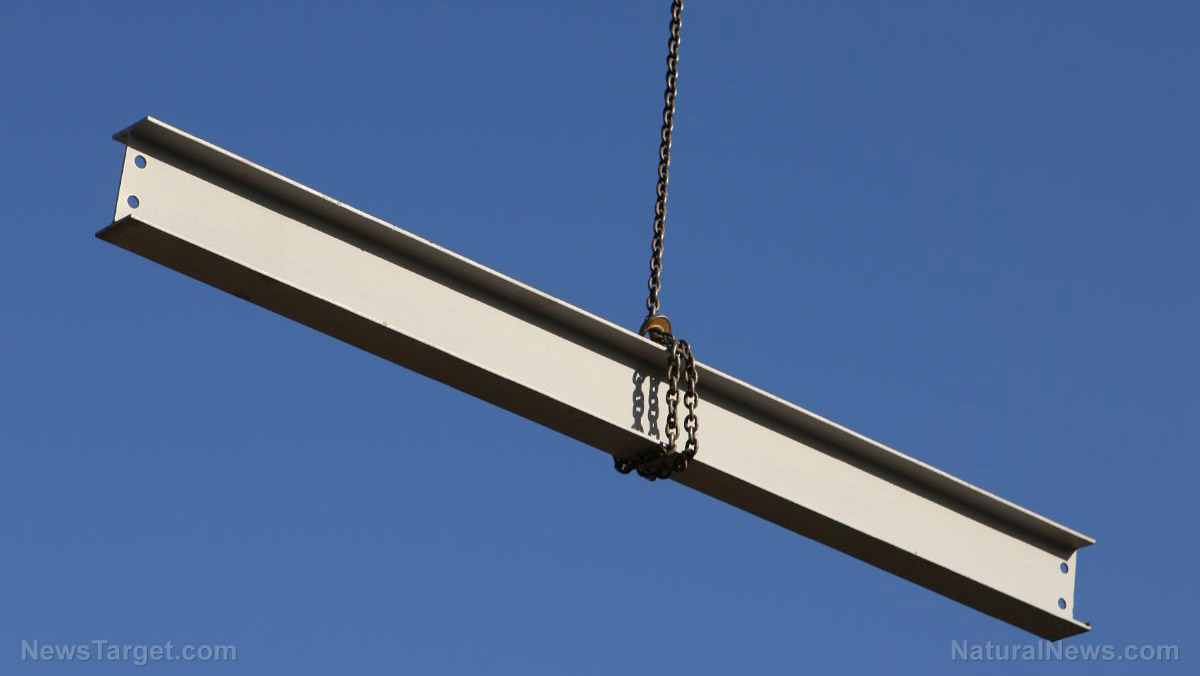
President Donald Trump doubled steel and aluminum tariffs to 50 percent effective June 4, via an executive order signed two days earlier. The move aims to counter foreign competition, particularly China’s dominance in global metal production.
Domestic steel producers praised the tariffs, while allies like Canada and the EU condemned them. Economists warned of inflationary pressures and past losses ($3.4B annually) for steel-consuming industries.
The tariffs revive Trump’s protectionist policies, building on 2018’s Section 232 tariffs (25 percent on steel, 10 percent on aluminum) that framed imports as a national security threat.
U.S. steel stocks (e.g., Cleveland-Cliffs) surged, but critics highlighted unresolved challenges like energy costs. Canada vowed retaliation, calling the tariffs an “attack” on its industries.
Proponents cite reshoring benefits (e.g., Nippon Steel’s $14B U.S. Steel acquisition), while critics fear supply chain disruptions and higher consumer prices. Trump framed the policy as key to U.S. energy and industrial independence.
President Donald Trump’s 50 percent tariffs on steel and aluminum imports – double the previous rate of 25 percent – have officially taken effect.
The new tariffs became effective on the midnight of Wednesday, June 4. It was originally announced on Friday, May 30, during a rally at a U.S. Steel facility in Pennsylvania. The tariffs were later enacted in an executive order Trump signed on Monday, June 2.
The levies, which sought to bolster American industry and counter foreign competition, has sent shockwaves through global markets. While they drew praise from domestic producers, they garnered criticism from allies like Canada and the European Union and warnings from economists about potential inflationary pressures.
The move underscores Trump’s long-standing trade philosophy of prioritizing U.S. manufacturing over free-market orthodoxy while reigniting debates over protectionism’s costs and benefits. It also marks the latest escalation in a years-long trade battle that began in 2018, when Trump first invoked Section 232 of the Trade Expansion Act of 1962 – declaring steel and aluminum imports a national security threat.
At the time, tariffs were set at 25 percent for steel and 10 percent for aluminum, with exemptions for key allies. Now, the administration argues that even those measures were insufficient to counter China’s dominance in global metal production.
Steel stocks surge as Trump doubles down on tariffs
Domestic steel producers celebrated the decision. Kevin Dempsey, president of the American Iron and Steel Institute, hailed the move as necessary to combat Beijing’s “flooding” of global markets.
“This tariff action will help prevent new surges in imports that would injure American steel producers and their workers,” Dempsey said in a statement. He noted that Chinese steel exports hit 118 million metric tons in 2024, more than all North American production combined.
Stock prices for major U.S. steelmakers, including Cleveland-Cliffs and Nucor, surged following the announcement of the doubled tariffs. But not all industry voices were supportive, however.
The Aluminum Association warned that tariffs alone won’t solve structural challenges, such as energy costs and scrap supply shortages. Economists echoed concerns, with the Tax Foundation noting that steel-consuming industries lost $3.4 billion annually from 2018 to 2021 due to tariff-driven price hikes.
The geopolitical fallout was swift – with Canada, the largest supplier of steel and aluminum to the U.S., condemning the measure as an “attack on Canadian industries and workers.” Canadian Prime Minister Mark Carney vowed to protect communities affected by the tariffs. Meanwhile, the European Commission pledged countermeasures, calling the tariffs “disruptive.”
The policy’s long-term impact remains uncertain. On one hand, proponents argue it will spur reshoring, citing Nippon Steel’s recent $14 billion acquisition of U.S. Steel and pledges to modernize American mills. On the other hand, critics warn of supply chain bottlenecks and higher consumer costs.
Yet for Trump, the calculus is clear. “We’re going to produce our own metal, unleash our own energy and secure our own future,” he declared on Truth Social. As the global trade war intensifies, one thing is certain – the stakes for American industry have never been higher.
Sarina Wiegman has named her 23 Lionesses who will travel to Switzerland next month for the UEFA Women's Euro 2025 competition as defending champions.It follows the surprise retirements of Mary Earps and Fran Kirby, plus Millie Bright's withdrawal from selection. The England squad includes 13 players who made history in lifting the trophy in 2022.Seven players - Michelle Agyemang, Aggie Beever-Jones, Grace Clinton, Khiara Keating, Maya le Tissier, Anna Moorhouse […]







Post comments (0)