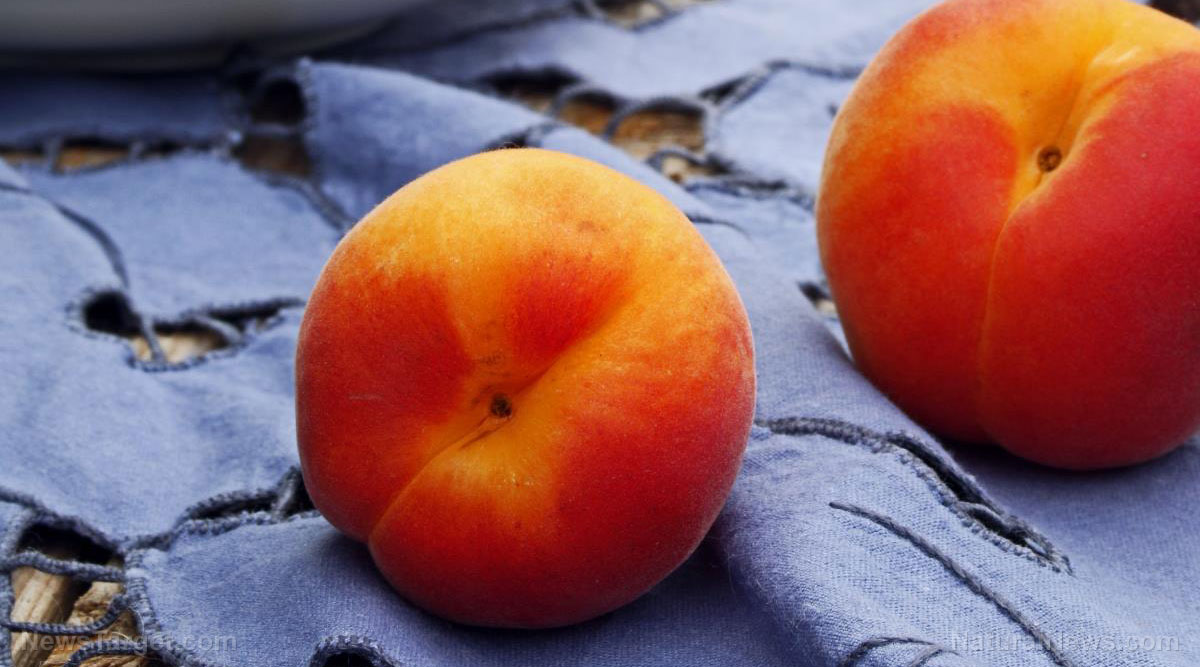
Peaches originated in China over 8,000 years ago and was a symbol of longevity. They spread via the Silk Road to Persia, Europe and the Americas and eventually became a global culinary staple.
Low in calories (39 kcal per 100g) but high in vitamins A and C, potassium, fiber and antioxidant flavonoids, peaches can support immunity, skin health and heart function.
Peaches contain powerful antioxidants like vitamins A, C, E and beta-carotene that help fight inflammation, chronic diseases and oxidative stress while boosting immunity and skin health. Fiber supports healthy digestion and heart health while potassium helps regulate blood pressure.
Peaches rank high on the “Dirty Dozen” list for pesticide residue. To reduce your exposure to these harmful chemicals, opt for organic peaches and wash fruits thoroughly before eating.
Enjoy peaches and their nutritional benefits by adding them to sweet or savory dishes and beverages.
Peaches (Prunus persica) originated in China over 8,000 years ago, where they were revered as a symbol of longevity and immortality. Historical records suggest that peaches were introduced to Persia (modern-day Iran) via the Silk Road and later brought to Europe by the Romans. By the 16th century, Spanish explorers had transported peaches to the Americas, where they flourished in temperate climates.
Today, peaches are cultivated worldwide, with major producers including China, the United States, Italy and Spain. Their widespread availability has made them a beloved ingredient in various cuisines, particularly in sweet and savory dishes.
Nutrient profile and health benefits
A 3 ½-ounce (100 grams, g) serving of fresh peach provides:
39 kilocalories (kcal)
6.6 milligrams (mg) of vitamin C (11 percent of the daily value, DV)
326 IU of vitamin A and carotenoids
190 mg of potassium
1.5 g of dietary fiber
8.4 g of natural sugars
Flavonoids and phenolic compounds
Trace amounts of magnesium, iron and B vitamins
Packed with antioxidants, vitamins and minerals, peaches are a nutrient-dense fruit that offers a wide range of health benefits, from boosting immunity to promoting heart health and skin rejuvenation. Their beneficial components help combat inflammation, support digestion and protect against chronic diseases.
Antioxidant and anti-inflammatory properties
Peaches are loaded with polyphenols, carotenoids (like beta-carotene and lutein) and vitamin C — antioxidants that can neutralize free radicals and reduce chronic inflammation. These compounds can help prevent diseases like cancer, diabetes and heart disease. They also help slow cellular damage and support overall longevity. (Related: Organic peaches proven to combat cancer, obesity and more.)
Supports digestive health
The fiber in peaches promotes healthy digestion, prevents constipation and feeds beneficial gut bacteria, contributing to a balanced gut microbiome. Additionally, their mild diuretic effect helps flush out toxins, while digestive enzymes aid in nutrient absorption.
Boosts immunity
Vitamin C enhances white blood cell function, while vitamin A strengthens mucous membranes, helping the body fend off infections. The presence of beta-cryptoxanthin further supports immune defense by reducing inflammation.
Promotes heart health
Potassium helps regulate blood pressure, while fiber and antioxidants help lower LDL (“bad”) cholesterol levels and consequently, cardiovascular disease risk. The anti-inflammatory properties of peaches also contribute to improved blood vessel function.
Skins rejuvenation
The high vitamin C content of peaches supports collagen production, which helps keep the skin firm and youthful, while carotenoids like lutein and zeaxanthin protect against UV damage. Antioxidants also combat oxidative stress, reducing signs of aging and promoting a healthy glow.
Why choose organic
Conventionally grown peaches are a staple on the Environmental Working Group’s (EWG) “Dirty Dozen” list, indicating they are among the most heavily contaminated with pesticides.
Common pesticides detected in non-organic peaches include chlorpyrifos (associated with neurological harm), imazalil (a suspected carcinogen) and thiabendazole (which may disrupt hormonal balance). While heavy metals like arsenic or lead are less common, they can still be present if peaches are grown in polluted soil.
To reduce pesticide exposure, opt for organic peaches. Always wash conventionally grown produce thoroughly, preferably with a baking soda or vinegar solution, or peel their skin, though this removes some of their fiber and nutrient content.
To ensure safety and maximum nutritional benefits, always choose organic.
Culinary uses of peaches
Peaches are incredibly versatile, adding natural sweetness and vibrant flavor to both sweet and savory dishes. Here are some delicious ways to enjoy them:
Sweet dishes and desserts
Peach cobbler – A classic Southern baked dessert with a buttery crust.
Grilled peaches with honey and yogurt – A simple, healthy dessert.
Peach smoothies – Blended with almond milk, spinach and chia seeds.
Peach jam or preserves – Perfect for toast or oatmeal.
Savory meals
Peach salsa – Combines peaches, jalapeños, cilantro and lime for a fresh dip.
Grilled peach and burrata salad – Pairs well with arugula and balsamic glaze.
Peach-glazed chicken or pork – A sweet and tangy marinade.
Beverages
Peach iced tea – A refreshing summer drink.
Peach-infused water – A hydrating detox option.
This story is not medical advice and is not intended to treat or cure any disease. Always consult with a qualified naturopathic physician for personalized advice about your specific health situation or concern.
Explore more about the health benefits of superfoods and other natural ingredients at NaturalNews.com, your trusted source for wellness insights and nutritional knowledge.
For cutting-edge tools to expand your understanding of natural health, try Brighteon.ai, an innovative AI model created by Mike Adams, the Health Ranger. This free, downloadable tool is designed to decentralize knowledge, bypass censorship, and empower individuals with actionable information.
If you’re passionate about nutrition, natural medicine, and uncensored discussions, visit Brighteon.com, a free speech video platform, and join our vibrant communities on Brighteon.IO and Brighteon.social. Dive into open conversations about food, ingredients and holistic health today!
Guests used furniture as an "improvised ladder" to try to escape after the Bayesian superyacht capsized last year, a new safety report has said.The interim report by the Marine Accident Investigation Branch (MAIB) contains the fullest account yet of how the superyacht capsized and the last-ditch efforts of those on board to get out. It also found that the boat may have been vulnerable to high winds, with gusts exceeding […]









Post comments (0)