Israel conducted airstrikes on Sanaa International Airport, claiming they were “dual-use” facilities (civilian structures used for military purposes by the Houthis). The strikes, carried out by F-15 fighter jets, disabled the airport, destroying runways, aircraft and infrastructure within 15 minutes.
The operation was in response to a Houthi drone strike that killed an Israeli citizen in Tel Aviv the day before. Israel also struck power stations and a cement factory, alleging they supported Houthi military infrastructure.
The Houthis condemned the strikes as an attempt to blockade Yemen and vowed to retaliate against Israel. Their political leader, Mahdi al-Mashat, warned Israelis to “stay in shelters,” claiming their government could not protect them.
The group reiterated its support for Gaza, stating that attacks on Yemen would not deter them from continuing Red Sea operations (drone/missile strikes on Israel-linked ships). They had paused attacks during a brief Gaza truce but resumed after Israel intensified its offensive in March.
Analysts, like Sultan Barakat, dismissed Israel’s claims, calling the strikes “pure vandalism” that would harm United Nations (UN) aid efforts in Yemen. The airport was already under heavy sanctions and its destruction risks worsening Yemen’s humanitarian crisis.
According to the Israeli Defense Forces (IDF), their strikes were aimed solely at military targets, including “dual-use” sites – civilian facilities repurposed for militant activities. Dozens of aircraft, including F-15 fighter jets, refuelers and surveillance planes, participated in the operation, dropping 50 munitions on military targets. The IDF claimed that the Houthis militant group has been using the airport to transport weapons and operatives, serving as a hub for “terror purposes.”
Beyond the airport, the IDF also struck power stations near Sanaa and a cement factory in ‘Amran, north of the capital, alleging that the facility was used by the Houthis to build military infrastructure and tunnels. The military stated that targeting the factory dealt a blow to the group’s economy and military capabilities.
“A short while ago, IDF fighter jets struck and dismantled Houthi terrorist infrastructure at the main airport in Sanaa, fully disabling the airport,” the Israeli military said on Tuesday, May 6, adding that several major power stations in the Sanaa area were also hit.
Houthis vow retaliation
In response to the airstrikes, Yemen’s Houthi rebels have pledged to retaliate against Israel. The Houthi political bureau condemned the strikes as “further evidence of Israel’s bankruptcy,” accusing Tel Aviv of seeking to impose a blockade on Yemen by targeting vital facilities.
“Targeting Yemeni ports, Sanaa airport, cement factories and power plants aims to impose a blockade on the Yemeni people,” the group said, but added that these attacks “will not deter Yemen from continuing its support for Gaza.”
The Houthis, who have launched over 100 drone and missile attacks on ships linked to Israel in the Red Sea since November 2023, vowed to continue until a permanent Gaza ceasefire is reached. Though they paused operations during a brief Gaza truce earlier this year, they resumed after Israel cut off humanitarian aid and intensified its offensive in March.
Moreover, their political leaders, including Mahdi al-Mashat, vowed that the recent strikes would not go unanswered. He then told Israelis to “stay in shelters” because their government could not protect them.
Meanwhile, Sultan Barakat, a professor of public policy at Hamad Bin Khalifa University in Qatar, dismissed Israel’s justification that the attack was in response to Houthis’ attack on Ben Gurion International Airport near Tel Aviv on Sunday. May 4. Instead, he called the attack “pure vandalism.”
“I think it’s pure vandalism, to be honest. The airport in Sanaa is not a normal airport. It’s under a huge restriction from the United Nations, from the Saudis, from the coalition – it’s under sanctions,” Barakat said. He also warned that attacking the airport would disrupt the United Nations and aid groups working in one of the world’s poorest nations.
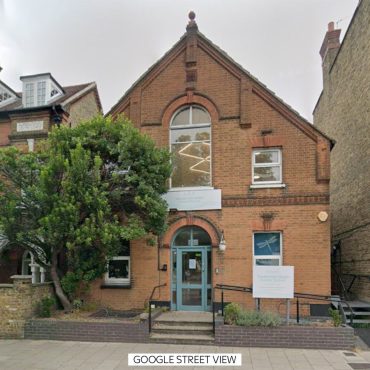
A Montessori nursery worker was caught on CCTV pinching, punching and grabbing babies as she "badly treated" 24 children in her care, a court has heard.Roksana Lecka, 22, allegedly assaulted or ill-treated 23 of the alleged victims while working at the Riverside Nursery in Twickenham Green, southwest London, between January and June last year. The nursery, which charged parents up to £1,900 a month to look after children aged between […]









Post comments (0)