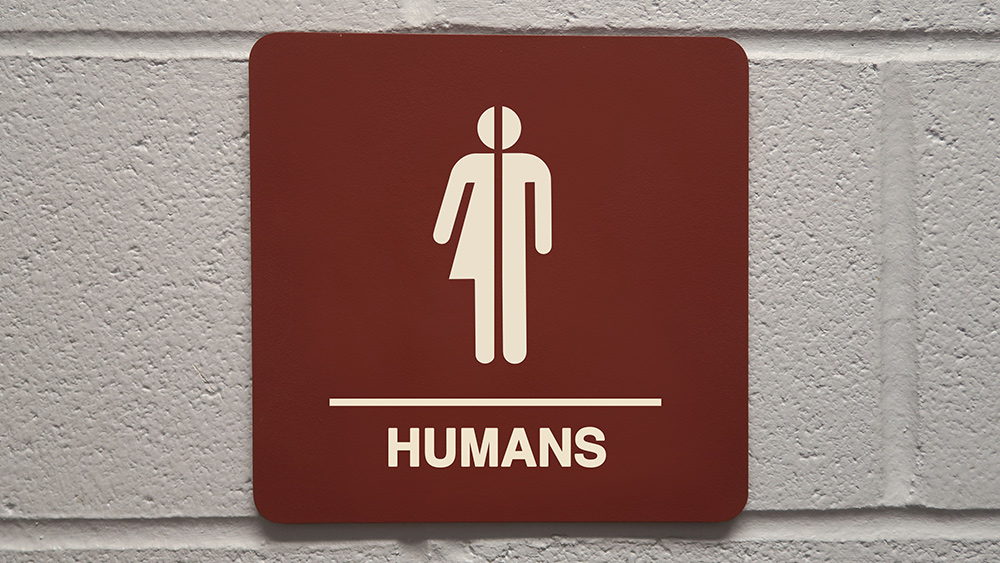
Hungary passes constitutional amendment affirming that there are only TWO GENDERS
Hungary’s parliament passed an amendment defining gender as strictly male or female, declaring that “the mother is a woman; the father is a man,” and solidifying marriage as a union between a man and a woman.
The amendment prioritizes children’s moral and physical development above most other rights (except the right to life) and extends Hungary’s 2021 ban on LGBTQ+ topics in school materials.
The amendment codifies bans on Pride marches and LGBT public events, allowing authorities to use facial recognition for enforcement and impose fines up to 200,000 forints ($553).
Dual citizens deemed threats to public order or national security may lose Hungarian citizenship for up to 10 years, part of PM Viktor Orban’s vow to eliminate foreign-funded activists and NGOs.
Opposition lawmakers and protesters accuse Orban’s government of accelerating authoritarianism, while the ruling Fidesz party frames the changes as defending Christian values against “gender madness” and liberal Western influence.
The Hungarian National Assembly voted to approve the amendment on Monday, April 14 – with 140 lawmakers voting in favor and 21 voting against. Hungarian Prime Minister Viktor Orban’s Fidesz-KDNP coalition was responsible for pushing the amendment despite international condemnation and fierce protests from the opposition.
The amendment solidify Hungary’s conservative stance on family and gender, defining marriage as a union between a man and a woman. “The mother shall be a woman; the father shall be a man,” the amendment reads.
Moreover, the amendment now declares children’s moral and physical development a top priority, superseding nearly all other fundamental rights except the right to life. This builds upon Hungary’s existing “child protection” laws, which since 2021 have barred LGBTQ+ topics in educational materials accessible to minors.
Zoltan Kovacs, the Hungarian government’s international spokesperson, also defended the amendment. He reiterated that the amendment was “not an attack on individual self-expression, but a clarification that legal norms are based on biological reality.”
New amendment also bans Pride events
The new amendment to the Hungarian constitution also codifies an earlier ban on Pride marches and other public LGBT events. Authorities will now have legal grounds to ban such gatherings, using facial recognition to identify attendees. Violators could be fined up to 200,000 Hungarian forints ($553.20).
Moreover, it also allows Budapest to strip dual citizens of their Hungarian nationality for up to 10 years if they are found to be a threat to public order, public security or national security. Orban, who has long railed against foreign influence, recently vowed to “eliminate the entire shadow army” of foreign-funded activists, journalists and non-governmental organizations.
Opposition lawmakers and human rights groups argue the measure is part of Orban’s broader authoritarian shift, given that his Fidesz party faces a plummeting approval rating ahead of next year’s elections. Protesters, including Momentum Party members, attempted to block parliament ahead of the vote, chaining themselves together with zip ties before police forcibly removed them.
With similar measures gaining traction elsewhere – like in Slovakia, where a two-gender constitutional law recently advanced – Hungary’s move reflects a broader regional resistance to Western liberal norms. No amount of smears from the LGBT community has dissuaded Orban, who has framed his government as a defender of Christian values against “gender madness.”
The King has released an Easter message reflecting on the examples of "great cruelty and great kindness" that "daily come before our eyes" - saying they should remind the world of the importance of the "virtues of faith, hope and love".Charles wrote: "One of the puzzles of our humanity is how we are capable of both great cruelty and great kindness. "This paradox of human life runs through the Easter […]








Post comments (0)