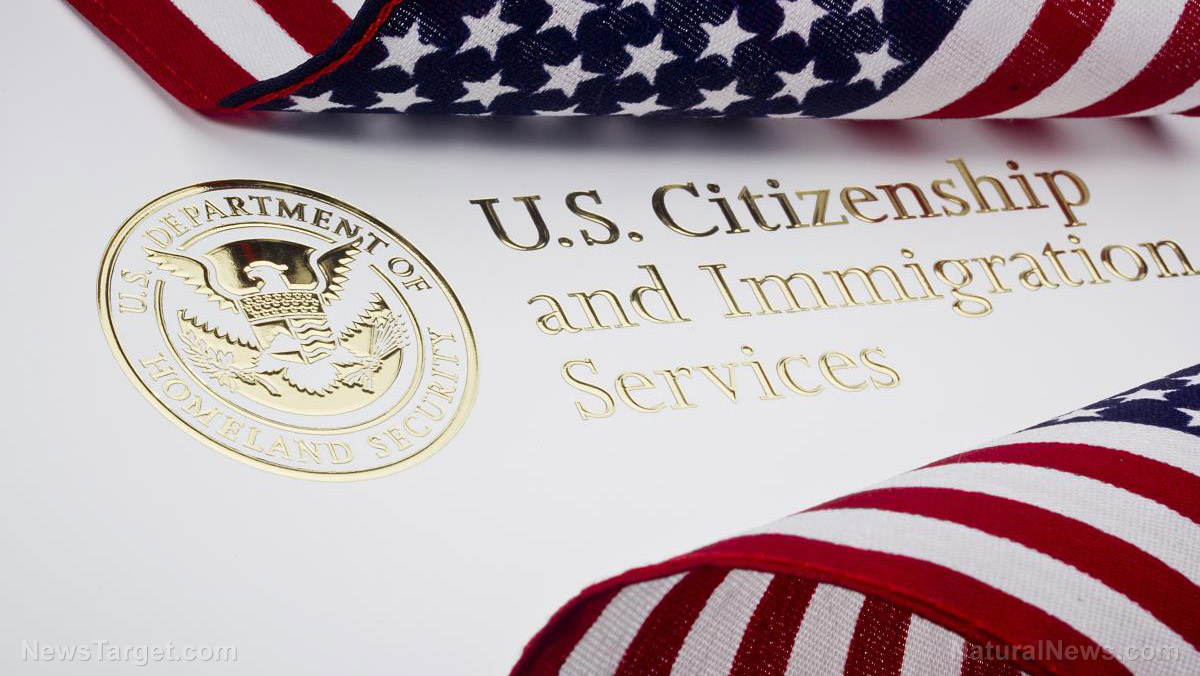
USCIS expands social media screening for visa applicants amid anti-Israel campus protests
USCIS has intensified scrutiny of social media activity for visa applicants, targeting ties to groups like Hamas and Hezbollah under a Trump executive order.
Hundreds of visas, primarily for students, have been canceled – sparking protests and lawsuits over free speech and due process concerns.
Officials defend the policy, stating the U.S. will not admit individuals supporting terrorism, citing First Amendment limits for antisemitic or violent rhetoric.
Examples include revoked visas for students like Momodou Taal (Cornell) and Rumeysa Ozturk (Tufts) over controversial social media posts or op-eds on Gaza.
Critics question whether the policy prioritizes national security or ideological suppression, as courts temporarily block deportations (e.g., Columbia’s Mahmoud Khalil).
The policy enacted under an executive order (EO) signed by President Donald Trump in January has already led to the revocation of hundreds of visas. It has also sparked protests from activist groups and legal challenges from affected students. The move nevertheless reflects the second Trump administration’s broader crackdown on pro-Palestine activism on college campuses, raising concerns over free speech and due process.
According to Tricia McLaughlin, assistant secretary for public affairs at the Department of Homeland Security, the new policy lines up with Trump’s January EO. She defended the new measure, arguing that visa applicants supporting terrorism “are not welcome” in the United States.
“There is no room in the United States for the rest of the world’s terrorist sympathizers, and we are under no obligation to admit them or let them stay here,” McLauglin remarked. Quoting a remark made by Homeland Security Secretary Kristi Noem, she emphasized that “anyone who thinks they can come to America and hide behind the First Amendment to advocate for antisemitic violence and terrorism” ought to “think again.”
When free speech clashes with national security
The new policy by USCIS comes amid incidents of students being targeted by the U.S. government for speaking out against Israel’s genocide of the Palestinians in the Gaza Strip. A federal court order temporarily halted the deportation of Mahmoud Khalil, a graduate student from Columbia University.
In another case, Anglo-Gambian student Momodou Taal found his visa revoked after calling for the “destruction” of the “U.S. empire” on social media. Taal, a former student at Cornell University, challenged the revocation of his visa in court. His appeal was denied, however, and Taal self-deported.
“If you want to participate in movements that vandalize universities, harass students or take over buildings, we’re not going to give you a visa,” Rubio argued. “We gave you a visa to study, not to tear up campuses.”
The secretary of state’s answer came in response to a Reuters reporter, who asked Rubio to explain why the Department of State revoked the visa of Turkish national Rumeysa Ozturk. The Tufts University student found her visa canceled after writing an op-ed about the “Gaza war” – something Rubio confirmed during the press conference.
Given the fiasco about the USCIS’ new policy, one question remains: Where does national security end and ideological suppression begin? For now, the Trump administration remains firm in its stance.
Parliament is being recalled so MPs can debate and pass draft legislation to "protect" British Steel site, Number 10 has said.MPs are being summoned back from Easter recess to Westminster, and will sit from 11am on Saturday, the House of Commons confirmed. The news comes as the government has been actively considering nationalising British Steel after Jingye, its owner in Scunthorpe, cancelled future orders for the iron ore, coal and […]






Post comments (0)